Keeping up with household chores can often feel overwhelming, especially when juggling work, family, and personal time. However, by adopting some effective strategies, you can make chores more manageable, reduce stress, and even create a more enjoyable environment at home. In this post, we’ll explore practical tips and ideas to help you tackle household chores with ease.
Why Making Chores Manageable Matters
Chores are necessary tasks that keep your living space clean, organized, and comfortable. When chores pile up, they can cause frustration and anxiety. On the other hand, breaking chores into smaller, manageable steps can help you maintain your home efficiently and free up time for other activities you enjoy.
—
1. Create a Chore Schedule
One of the best ways to manage household tasks is by creating a schedule.
Benefits of a Chore Schedule
– Helps distribute tasks evenly over the week
– Builds consistency and routine
– Prevents chores from piling up
How to Make a Chore Schedule
– List all chores needed in your home (daily, weekly, monthly)
– Assign specific tasks to particular days
– Set realistic time blocks for each chore
– Use tools like calendars, apps, or whiteboards for reminders
—
2. Break Tasks into Smaller Steps
Large chores can feel intimidating. Breaking them down into smaller, manageable parts makes them seem less daunting.
For example, instead of “clean the kitchen,” try:
– Wash dishes
– Wipe counters
– Sweep the floor
– Organize pantry shelves
Completing each step gives a sense of accomplishment and keeps motivation high.
—
3. Set Timers to Stay Focused
Using a timer can increase your focus and efficiency. This method, often called the Pomodoro Technique, involves working in short bursts with breaks in between.
How to Use Timers
– Choose a task to complete
– Set a timer for 15-25 minutes
– Work without distractions until the timer goes off
– Take a short break (5 minutes)
– Repeat as needed
This helps prevent burnout and makes chores feel less monotonous.
—
4. Involve Family Members or Roommates
Sharing chores distributes the workload and encourages teamwork.
Tips for Sharing Chores
– Hold a family meeting to discuss chores and preferences
– Assign tasks based on skills and schedules
– Rotate chores regularly to keep things fair
– Use charts or apps to track progress
Working together not only lightens the load but also builds cooperation and responsibility.
—
5. Use Efficient Tools and Products
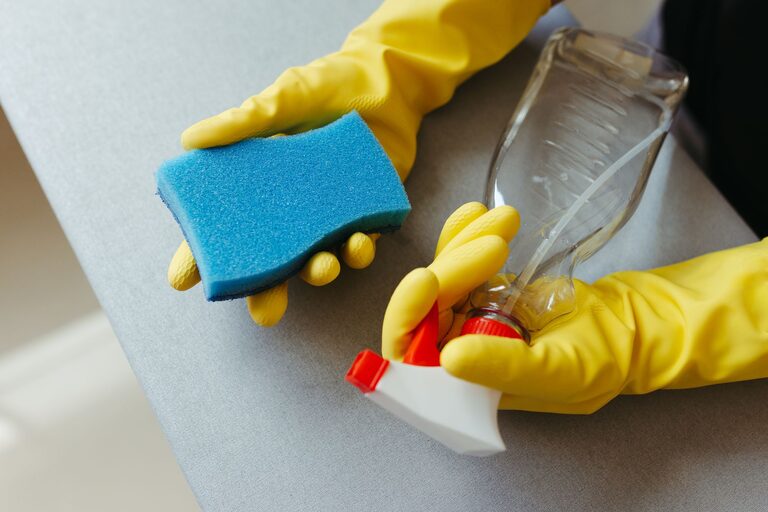
Investing in good cleaning tools and products can make chores quicker and easier.
Helpful Tools to Consider
– A reliable vacuum or robotic vacuum cleaner
– Microfiber cloths for effective dusting
– Multipurpose cleaners to reduce the number of products
– Storage bins and organizers for clutter control
Choosing the right tools suits your specific needs and simplifies your routine.
—
6. Declutter Regularly
Clutter increases the amount of cleaning and organizing needed.
How Decluttering Helps
– Frees up space for easier cleaning
– Makes it quicker to find items
– Creates a more peaceful environment
Try setting aside time each week to remove unnecessary items and organize belongings.
—
7. Listen to Music or Podcasts
Adding entertainment to your chores can make them more enjoyable.
Why This Works
– Distracts from the monotony of tasks
– Boosts mood and energy
– Helps time pass faster
Choose your favorite upbeat music, an interesting podcast, or an audiobook to listen to while working.
—
8. Make Chores a Habit
Consistency is key to managing chores effectively.
How to Build Chore Habits
– Attach chores to daily routines (e.g., wiping counters after meals)
– Set reminders initially until it becomes automatic
– Reward yourself for sticking to routines
Over time, chores become part of your lifestyle rather than a burden.
—
9. Focus on One Task at a Time
Multitasking might seem efficient, but focusing on one chore leads to better results and less stress.
Tips
– Complete a task fully before moving on
– Avoid distractions like phone notifications or TV
– Use a checklist to track completed tasks
This approach reduces overwhelm and improves the quality of work.
—
10. Take Breaks and Practice Self-Care
Remember that rest is important, especially if chores are physically demanding.
Self-Care Tips
– Take short breaks during cleaning sessions
– Stay hydrated and eat nourishing food
– Stretch or do light exercises to prevent stiffness
Balancing chores with care for yourself keeps energy levels high and prevents burnout.
—
Final Thoughts
Chores don’t have to be a daunting part of your day. By organizing tasks, involving others, breaking work into manageable pieces, and adding a touch of fun, you can transform your chores into a smoother, more pleasant experience. Try these strategies to find what works best for you and enjoy a cleaner, more organized home with less stress.
About the Author