Taking a break from the busy pace of everyday life is essential for your well-being. Planning a no-stress weekend allows you to recharge, relax, and enjoy your time without feeling overwhelmed. Whether you’re recovering from a hectic week or just want to focus on yourself, a well-thought-out weekend can make all the difference.
In this post, we’ll walk you through practical tips and strategies to help you create a weekend plan that reduces stress and maximizes relaxation.
Why Plan a No-Stress Weekend?
A spontaneous weekend can be fun, but without some planning, it can also lead to last-minute scrambling or feeling like you didn’t accomplish much. Planning helps you:
– Set clear intentions for relaxation
– Avoid unnecessary stress or commitments
– Make time for activities that truly refresh you
– Balance rest and fun in a way that suits your personality
Now, let’s explore how to organize your weekend step by step.
Step 1: Set Your Weekend Priorities
Before you jump into activities, decide what matters most to you this weekend.
– Rest: Do you need sleep and quiet time?
– Social time: Would you prefer to connect with friends or family?
– Hobbies: Is there a creative or leisurely activity you’ve wanted to enjoy?
– Self-care: Would you like to include exercise, meditation, or pampering?
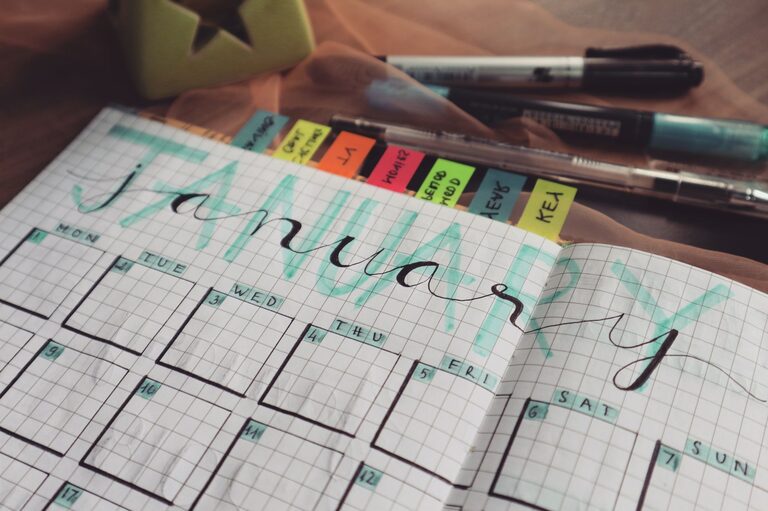
Write down your priorities. Knowing what you want helps you say no to anything that might add stress.
Step 2: Keep Your Schedule Light
Aim for an open, flexible agenda. Avoid overbooking yourself.
– Limit yourself to 1 or 2 main activities each day
– Build in plenty of downtime to just relax or do nothing
– Avoid back-to-back appointments or errands when possible
Tip: Use time blocks
Allocate blocks of time for different activities rather than setting exact times. For example, “morning for reading or quiet time,” “afternoon for a walk or hobby.”
Step 3: Prepare in Advance
Small preparations can ease weekend stress before it even starts.
– Finish urgent work or chores on Friday
– Prepare meals or groceries in advance if possible
– Lay out comfortable clothes or any items needed for hobbies
Being prepared means fewer last-minute to-dos and more time to unwind.
Step 4: Create a Relaxing Environment
Your surroundings have a big impact on your mood.
– Tidy up a little to create a calm space (but don’t stress about perfection)
– Light candles or use essential oils with soothing scents like lavender or chamomile
– Play soft music or nature sounds in the background
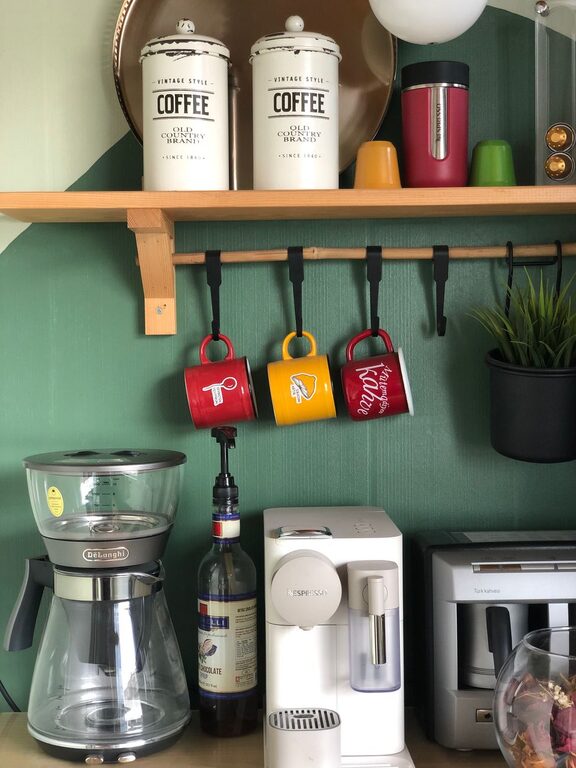
– Set up a cozy spot with blankets and pillows for reading or relaxing
A peaceful environment invites relaxation.
Step 5: Limit Technology Use
Phones and constant notifications can cause stress even during downtime.
– Set specific times to check emails or social media
– Consider turning off notifications
– Try a digital detox for a few hours or the whole day
Reducing screen time helps you be more present and calm.
Step 6: Enjoy Mindful Activities
Choose activities that promote relaxation and presence.
– Take a gentle walk outside in nature
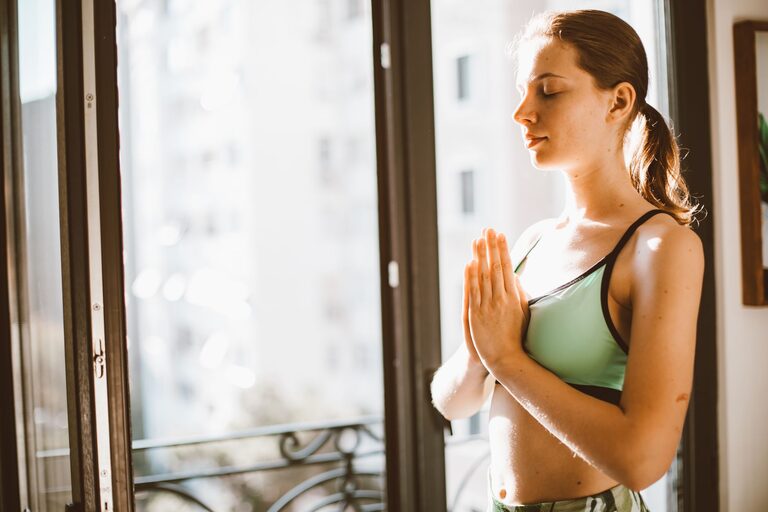
– Practice yoga or stretching
– Try meditation or deep breathing exercises
– Read a book or listen to an audiobook
– Engage in a creative hobby like drawing, knitting, or cooking
Mindful activities help slow down your mind and body.
Step 7: Nourish Your Body
Food and drink play a key role in how you feel.
– Opt for simple, nourishing meals that you enjoy
– Stay hydrated with water, herbal teas, or fresh juice
– Avoid overindulging in caffeine or sugar, which can increase stress
Eating well supports your energy and mood.
Step 8: Practice Gratitude and Reflection
Take a moment to appreciate your no-stress weekend and reflect on what feels good.
– Keep a journal and note things you’re grateful for
– Reflect on what activities helped you relax the most
– Plan how to incorporate more no-stress moments into your routine
Gratitude can increase feelings of happiness and contentment.
Bonus Tips for a Successful No-Stress Weekend
– Say no to unnecessary plans or favors
– Listen to your body and rest if you feel tired
– Don’t feel guilty about doing nothing—it’s part of self-care
– Spend time outside even if just for a few minutes
Final Thoughts
Planning a no-stress weekend is about honoring your needs and creating space for rest and joy. By setting priorities, simplifying your schedule, preparing in advance, and focusing on mindful activities, you can turn your weekend into a peaceful retreat. Use these tips as a guide and tailor your plan to what truly helps you unwind.
Enjoy your stress-free weekend!
About the Author